Showing posts with label #YouthMonth. Show all posts

Tuesday, 22 June 2021

#YouthMatters: General disappointment, anti-vaxxers, conspiracy theories and misinformation

My original article here.

22 June 2021


"A lie can travel halfway around the world while the truth is still putting on its shoes." - Mark Twain (but likely not.)
Like those work emails we all send, I hope that this #YouthMonth2021 piece finds you well, but it’s probably finding you frustrated and generally disappointed. The winter chills are settling in across the country, load shedding looms large and Malume Cyril called the dreaded family meeting and put us on Level 3. The third wave of Covid-19 has crashed upon us, we’re wondering when we’ll get vaccinated and a cousin on our family WhatsApp group has suddenly become an expert on nanotech overnight and knows how Bill Gates is using the vaccines as the delivery method to control us. Also, remind me, do we have a health minister again? It’s a tough time to be positive.

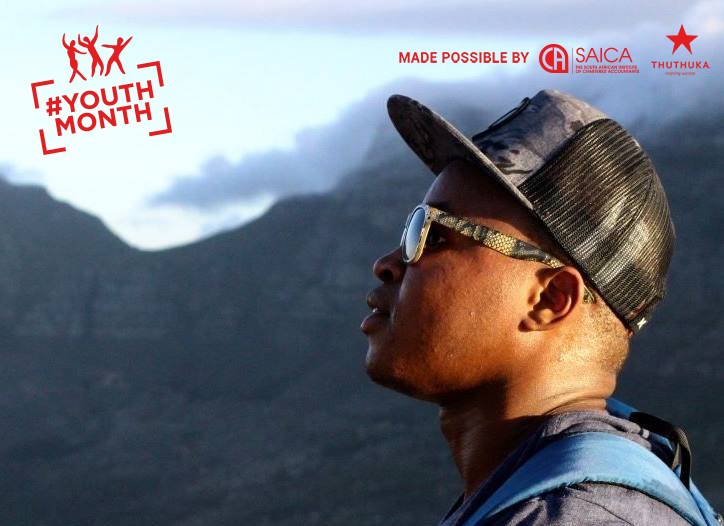
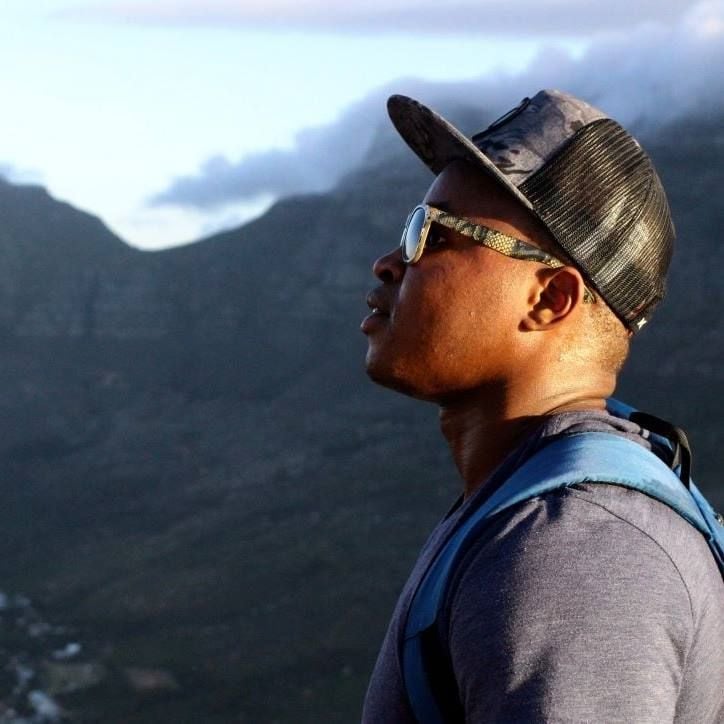
Charles Siboto - Source: Supplied

We’ve been living through the ‘Panna cotta’ since the beginning of 2020 and so many levels of lockdown later, there’s a feeling of frustration and Covid-19 fatigue in the air. Which is understandable, of course. I mean, it’s our first time living through a pandemic on this scale and we’re still learning how to cope with it. Memes and TikTok seem to be the go-to coping mechanism. Almost every aspect of our daily lives has been changed by this pandemic in a relatively short space of time. It makes sense that we’re all slightly on edge. But while most of us have masked up and hunkered down with the hope of making it through these unprecedented times, voices spreading conspiracy theories and misinformation, in general, seem to be ringing louder. What is worrying, though, is how many young people are adding their voices to this choir.
#YouthMonth: What do all these #movements want?

One of the things that the outbreak of Covid-19 has made clear is that all of us are in the same boat, whether we like it or not. What happens in China affects all of us. What happens in the US affects all of us. What happens in South Africa affects all of us...

BY CHARLES SIBOTO 12 JUN 2020


Starting blocks remain unequal


You know what, though, I do get it. Promises of a brighter future were made to the born-free generation. Some of those promises have been delivered, we can admit. Many of us who grew up poor are doing better than our parents. Most of that progress can be attributed to access to education. But the starting blocks remain unequal between Black kids and white kids, rich kids and poor kids. Our trajectories are different as a result. It doesn’t help that our government isn’t coming to the party.
Economic change takes time, we get it, but blatant corruption and poor governance frustrate the process at great cost to the quality of young people’s lives. Add Covid-19 to this and things become bleaker.
Poor kids are getting their degrees and then going back home to their impoverished conditions and it’s a Herculean challenge to get out. Wealthy kids are getting their degrees, going back home, jamming some Playstation for a bit while they look for work. If they can’t get work through normal channels (which is currently rough for everyone), maybe they can lean on a family connection (which is fine, it is what it is) and if that doesn’t work maybe even go try abroad. Kids in the middle class, if you can even call it that in SA, are in the precarious position of having some resources but also facing the real challenge of maybe being unemployed long enough that it puts a strain on those resources to the point that they run out. These are real, concrete problems. Especially during a very real pandemic that’s costing lives and livelihoods.

Has youth unemployment really become another pandemic in SA?

For the past few weeks, I have been listening to both political and economic analysts to try and understand how bad this situation is. Some analysts have deemed the state of youth unemployment in SA as not only dire, but as one of the pandemics along with gender-based violence (GBV), Covid-19 and others...

BY MIRANDA LUSIBA 18 JUN 2021


There are great stories of people overcoming their circumstances and finding creative solutions to economic challenges, of course. Hell, almost every #YouthMonth in the past three years I’ve been shouting from the rooftops how the kids are doing it for themselves. Struggling your way to the top against all odds is fine but it can’t be the norm to build a country on. We need systems and institutions that do what they are supposed to.

The rise of misinformation vs real problems


The point I’m getting to (in the most roundabout way) is that the rise of misinformation distracts from these real problems. How can we take the government to task when we’re too busy wading through a sea of conspiracies? Misinformation is actively killing people during the pandemic as well. People aren’t taking precautions against catching Covid-19 or mistrust vaccines, which results in deaths that could’ve been avoided. We’re all vulnerable to misinformation because we want to make sense of the outrageousness of things. Conspiracy theories get under our skin because they’re sexier than the truth and make it easier for us to turn off our brains. Everything that’s going wrong? It’s Bill Gates, China, immigrants, 5G, the Illuminati or some multi-government cabal. The government cabal is maybe closer to the truth, but not in any complex, multilayered way. It’s just sheer arrogant incompetence. Because they can get away with it and we are too distracted to do anything about it.
All the people on Twitter telling us that we are sheeple are also just sheeple to misinformation.
This #YouthMonth is a rough one and things are generally disappointing. It’s difficult for all of us and perhaps there is light at the end of the tunnel, I don’t know. Protect yourself and the people around you by taking the necessary Covid-19 precautions. I’d say get vaccinated but there’s not much to do but wait on that count.

Monday, 15 June 2020

#YouthMonth: What do all these #movements want?

My original article here.

12 June 2020
"More than cleverness, we need kindness and gentleness." - Charlie Chaplin
If 2020 was an old-school video game, it would be the level where they make you fight all the boss characters you’ve defeated before all at once and you have to remember the right button sequences to defeat each of them. While you’re doing that they throw in Covid-19, the new ultra-powerful boss. All of our chickens are coming home to roost this year, it seems, and we have to deal with them somehow.

One of the things that the outbreak of Covid-19 has made clear is that all of us are in the same boat, whether we like it or not. What happens in China affects all of us. What happens in the US affects all of us. What happens in South Africa affects all of us. The murder of George Floyd by police officers in the US started a wave of protests against police brutality towards black people and the huge issue that is racism in general. This has also made us look at our own cases of police brutality right here at home, especially with the murder of Colins Khosa by members of the SANDF.

Charles Siboto
Charles Siboto

Stop and listen


I’ve been reading the stories around the #BlackLivesMatter protests and looking at how people I know respond to them, whether in anger that we still have to protest against systemic racism, that we still #CantBreathe or with hey, #AllLivesMatter or what about #FarmMurders and #WhiteGenocide? I spent the week just monitoring my social media accounts and watching people I know grapple with the issue of racism in various ways. Some of the responses I agree with and some not but my goal was to watch, listen and try and understand where everyone is coming from.

My takeaway is that we all need to stop and honestly listen to the experiences of others, just listen and resist the temptation to say: “Yes, but . . .” As I said before, whether we like it or not we are in the same boat and even if something like racism doesn’t affect you directly it does indirectly.
This #YouthMonth I want to look back at where we came from, back to the Soweto uprising of 1976. I want to remember how far we have come and to look forward to how far we have to go yet.

The Soweto uprising of 1976


What did the thousands of students want on 16 June 1976 when they took to the streets of Soweto in protest? They were protesting the Bantu Education Act that mandated that all school subjects be taught in Afrikaans. What those students wanted was to be taught in a language they understand, equality and equal opportunity for all youth. The Apartheid government clearly didn’t like how those students were protesting and opened fire on them. When former President Nelson Mandela was fighting for the freedom of black people he was considered a terrorist and eventually imprisoned. Bantu Stephen Biko was murdered for his anti-Apartheid activism. In the US, Martin Luther King Jr was assassinated for his views even though he advocated for non-violent resistance against that racist system.

What I am getting at is that all these people and movements want the same things and have been killed trying to get those things whether they did it peacefully or violently. Whatever system is in charge always responds with violence and that is what should appal us! That the Apartheid government killed people, that the miners in #Marikana were killed under the rule of this government, that Colins Khosa was killed by members of the SANDF.

New documentary tackling racial inequality to launch on Youth Day
Tuesday, 16 June, sees the online launch of Good Hope, a new feature-length documentary from award-winning filmmaker Anthony Fabian...
11 JUN 2020

Equality and equal opportunity


What black people and other people of colour want are equality and equal opportunity. What women want are equality and equal opportunity. What the LGBTQ+ community wants are equality and equal opportunity. That is all. None of these groups wants to take anything away from anyone and that can’t be so difficult to understand! #BlackLivesMatter has never been about black lives being superior, just that they, too, matter. Just matter, that is all. That isn’t difficult to understand.

#MeToo and #MenAreTrash has never been about trying to destroy men but women holding men who sexually assault women accountable. Again, not such a highbrow concept. Take a step back and just think about this, every single woman you know has experienced some form of sexual harassment, every single woman. Unless they live in some secret pocket of the country I know nothing about, every single PoC you have encountered has experienced some form of racism. Every member of the LGBTQ+ community has been harassed for simply being who they are in some way. That is absolutely wild!

#YouthMonth: Preaching inclusivity - Q&A with Toya Delazy
Multi-award-winning Afro-techno princess Latoya Nontokozo Buthelezi, aka Toya Delazy, chats to us this #YouthMonth about inclusivity, tolerance and her advice for aspiring young musicians..
BY RUTH COOPER 8 JUN 2020

If you are a straight, white male does your life not matter? Do your views not matter? Are you not suffering? Do white people not experience racial prejudice? Do men not experience sexism? As a straight, white male your life and views matter but the social contract we all live under tends to honour its responsibilities to you. You can and, in fact, you definitely do still experience hardships like any human being, though. You can be a victim of crime, you can lose your job, you can be poor and just generally have a difficult life.

White people can suffer from prejudice, sure, but not from systemic racism. Men can suffer from prejudice and be sexually harassed by women but can also not suffer from the sort of systemic sexism that affects their careers or the sort of harassment that makes them fear to be around women in general. Straight, cisgender people suffer but not for their sexual orientation or not fitting into specific gender boxes.

Start with kindness


What can you do then? The best thing to do is simply to listen to PoC, to women and the LGBTQ+ community when they express their frustrations. Taking that time to say things like #AllLivesMatter or #NotAllMen does nothing to help anyone because we know these things. When your friend has been in an accident and is bleeding out on the street they know that it sucks that you got robbed last week but they definitely still would rather go to the hospital first.

Educate yourself on social issues as much as you can. Own whatever privilege you have and use it to fight for those who don’t have the same. Talking about things like race and sexism is uncomfortable but we have to do it if we ever hope to find solutions. Just start where you are and start with kindness. Kindness goes a long way and we need it since we have a long way to go before we reach our goal of equality and equal opportunity. 

12 ways to support your local community during Covid-19
In just a few short weeks, the coronavirus pandemic has turned our world upside down and as the crisis deepens, so do the challenges with a growing number of people facing unemployment, mounting debt and numerous other issues precipitated by the disruption of the virus...
BY YAEL GEFFEN 1 JUN 2020

One of the things many people are concerned about with the Covid-19 lockdown is the impact on the economy. As a society, we have a long history of squandering our human resources by not allowing people to fully participate in the economy based on race, gender and sexual orientation. Well, unless people were being forced to participate in the economy for the bare minimum wage.
What I am getting at is the fighting for equality and equal opportunity for everyone is good for everyone in the end because if the social contract works for everyone there is no reason to breach it. That means crime rates drop and no one is marching and looting in the streets, because there is no need to. Being actively anti-racist, anti-sexist and anti-homophobic makes the world better for white men, men and straight people too!
This #YouthMonth, let us look back at how far we have come and brace ourselves for how far we have to go until we are all free because this is #NotYetUhuru when every few months we have to remind people that #BlackLivesMatter and #MeToo. Be actively anti-racist, anti-sexist and anti-homophobic in your everyday life. Small deeds go a long way as JRR Tolkien pointed out: “I have found that it is the small everyday deeds of ordinary folks that keep the darkness at bay. Small acts of kindness and love.”

Thursday, 14 June 2018

#YouthMonth: Check up on your "strong friends"

My original article here.
14 June 2018
In my last two #YouthMonth articles I've admired the youth for speaking that slick talk that we do and for our creative hustles. We're pretty damn golden! This #YouthMonth I want to address something serious, something that we usually avoid talking about and something I wrangle with personally.
As I write this I’ve just found out that celebrity chef and all-around television personality, Anthony Bourdain has committed suicide. Fashion designer Kate Spade also committed suicide recently. In the last few years, the world has lost Robin Williams, Chris Cornell, Chester Bennington, and many other people to suicide. I have lost two friends to suicide in the last two years.

RIP Anthony Bourdain
CNN has confirmed the death of American chef, author, and television personality, Anthony Bourdain, who was 61 years of age...
BY JUANITA PIENAAR 8 JUN 2018

When I was growing up most of the suicide stories on the news were people who were in debt or whose lives were ruined on a tragic Shakespearean scale. Depression, in its many forms, existed then too and many people who suffered from it did commit suicide but it wasn’t reported much and was surrounded by stigma. While there's still a stigma around depression and other forms of mental illness today, we’re moving forward and recognising it and talking about it.

Royce da 5'9"
Royce da 5'9"

The vocal generation


Young people are dealing with a lot of things and, contrary to what older people believe, life is difficult. We're standing on the shoulders of giants like umama uWinnie Mandela and we're trying our best to build the sort of society they envisioned and fought for. The older generation was made of tougher stuff, the stuff of legends really, but they did sweep some issues under the ol' rug and we're trying deal with those issues today. After apartheid, we didn't have the tough conversations we needed to and that can be seen in the racism and inequality that still plague us and we're plagued by sexism and homophobia.

We're the generation that is starting to speak up about things like the sexual abuse that women have been dealing with and continue to deal with. Our Truth and Reconciliation Commision is taking people to task and having them take responsibility everywhere we can, whether it's on Twitter, in the workplace or our universities. We're trying to build a nation here and every topic, no matter how uncomfortable, is on the agenda. Depression is definitely on the agenda because we need to take care of our mental health as much as we take care of our physical health so that we can get on with the business of nation-building.


Popular music dealing with depression


I've been listening to a lot of the new releases in popular music over the last months and I've noticed depression as a running theme with a lot of new albums, especially in hip-hop. J. Cole dropped KOD (Kids on Drugs, King OverDose or Kill Our Demons) in April and explores drug addiction in the music business and just in normal life as a result of modern society's pressures and depression. He goes on to recommend meditation over medication. The ever-controversial Kanye West has been seemingly losing his mind more than usual on Twitter making comments about slavery being a choice and praising a very problematic Trump. I've always been a fan of Ye's music because of its poignant tones of existential crisis. The dude was clearly busy in the studio whilst being crazy on Twitter, though, working on three projects: Pusha T's Daytona, his own Ye and his collaboration with Kid Cudi, Kids See Ghosts


On the latter two projects, Kanye gets into his struggles with mental health (the text on the cover reads: I hate being Bi-Polar it's awesome) and Kid Cudi's struggles with depression and suicidal urges have been in the public sphere for years. In a 2014 interview Kid Cudi stated, "I’ve dealt with suicide for the past five years. There wasn’t a week or a day that didn’t go by where I was just like, ‘You know, I wanna check out.’ I know what that feels like, I know it comes from loneliness, I know it comes from not having self-worth, not loving yourself." He checked himself into rehabilitation for depression and suicidal urges in 2016.

What really got me thinking about depression and mental health more than I usually do, though, was Royce da 5'9"'s Book of Ryan. He has a song on there, Strong Friend, in which he explores depression and suicide in some detail, especially among friends we think of as strong. These strong friends are usually the ones that are hurting the most and are barely holding it together. They keep their pain to themselves because of the stigma associated with mental illness. He encourages people, especially black people, to seek out help and for us to check on our friends more and not to think they're okay because they look okay on the outside. At the end of the song he quotes other personalities (and himself) in the entertainment business who've committed suicide or addressed mental illness:


Depression and other mental illnesses are serious and we have to address them the same way in which we would a disease that afflicts our bodies. Life is difficult for young people and many of us are strong and it amazes me how so many of us overcome almost insurmountable challenges in the pursuit of our dreams. Young people hustle hard but we must also take care of ourselves and our friends. Instead of making it difficult for people who struggle with depression we should create an environment where people can come and talk to us about their struggles. I love how people are sharing information on job opportunities, information on where to get psychiatric help, ways for women to access safe abortion clinics or pretty much anything helpful on Twitter in the form of RT to save a life. That's exactly how we should look out for each other. Check up on your friends this #YouthMonth and beyond, even if they seem to be strong on the outside.

Check out The South African Depression and Anxiety Group (SADAG), they are SA’s largest Mental Health Advocacy Group.

You can find them on:
Twitter: @TheSADAG (RT to save a life), 0800 21 22 23 or 0800 12 13 14 (24Hrs) or sadag.org.

Thursday, 22 June 2017

#Youthmonth: The kids do it themselves


22 June 2017

We've been through a lot lately, right? Madness seems to reign: numerous terrorist attacks, Trump withdrawing the US from the Paris climate accord and the Brexit sequel that is the recent UK snap election. At home things aren't any better with Zuma, Guptas email leaks, Zille getting herself into stupid situations, our public protector taking on the SA Reserve Bank out of the blue and stories of women who have been kidnapped, raped and murdered in the news every day. We are running out of hashtags for all the madness. As a world and as a country we still have a long way to go in terms of prejudices, access to education for more people and electing governments that work for everyone. Last year I wrote an article about how the colourful use of language was one of the instruments that young people use to make their voices heard, #YouthMonth: Like kids these days say.

The adults are breaking the world and this #YouthMonth I think it’s appropriate to share some good news of young people getting their #hustle on, improving their lives and that of their communities. This, then, is my eulogy of sorts to the young people of South Africa who have been through a lot and will be going through more to make their dreams come true. I write these words for you. I write them to thank you for your strength and determination. During a turbulent time, I write these words to remind you of how amazing each and every one of you are.

Making careers out of passions


Many of us are the children of miners, domestic workers, street sweepers, cashiers, construction workers, cleaners, waiters and waitresses. So many of us have had to be exceptional just to be considered normal but we always rise to the challenge. Whether we come from a township, suburb, rural village or were raised by one heroic parent or had the love of both we get up each morning and chase our dreams. I know of people who are the first in their village to go to university and then go back and help others fill in application forms for university and NSFAS forms to access funds to study. So many times, all that is needed is pointing someone in the right direction to change their lives. So many of us are embarking on or creating careers that our parents don’t understand because they didn’t exist in their time. At social gatherings, they aren’t even sure if they should be bragging or not when they tell their friends about us. That’s because the world is changing and we are making careers out of our passions. 

Walk Fresh


I know friends who wanted to write and draw comic books and they worked hard until they could do just that. This has resulted in growth in the South African comic books industry with cool ventures like Sector Comics coming into existence and Kwezi becoming one of our own homegrown superheroes. I’ve seen a dude from my university, Lethabo Mokoena, start his own funky sneaker cleaning and shoe-care service called Walk Fresh after he graduated and could not get a job. The dude loves dressing fresh, wearing a polished pair of shoes or a squeaky-clean pair of sneakers so he educated himself on how to bring the best out of people’s old and dirty footwear and at the same time created work opportunities for people in his community. 


Hanging out on YouTube, like one does, I came across a pioneer, Ludwig Marishane who grew up in rural Limpopo and at age 17 invented a solution that allows you to clean yourself without water because access to water in his village is sporadic. He called the product DryBath and went on to start his own company called Headboy Industries Inc. I also remember reading about the novel, Coconut by Kopano Matlwa that she got published when she was 21. She has since written two more novels, Spilt Milk and Period Pain. She has also gone on to become a public health physician, scholar and all-round super woman. This morning I read a story about a young woman struggling to get her law degree and how it took her much longer than the four years it should have. But after she failed because of family circumstances, not applying herself, falling pregnant and dropping out for some time to get a job so she can feed her baby she came back and eventually got it done.

Problem solvers


These are merely snapshots of the great things young people are doing to solve problems and make their dreams a reality. South Africa is a country of high youth unemployment and this mixed with many young people not growing up in stable families results in a high crime rate. But there are also so many remarkable young people doing the best that they can to rise above their circumstances. I see this in my daily interactions with people like a colleague and good friend who was telling me about her boyfriend who’s made his second movie and when I log onto Facebook and see posts by people I know getting recognition for being exceptional in some field like sport, music, literature or film. I meet people who are pushing boundaries in the sciences and it’s important that we celebrate these young people because they will all form part of the solution for the larger problems we face in our country and the world. This #YouthMonth I want all young people to know that the grand hustle continues with us at the head of it and that we will do some great things together.

Tuesday, 7 June 2016

#YouthMonth: Like kids these days say

07 Jun 2016

Heita da! What's drugs my dealer? What's crack-a-lackin'? Umoja? Fo' shizzle my nizzle? It's all good in the hood. You'd best keep your urban dictionary close by for this one.
Language, it’s something special isn’t it? In his song, Sing for the Moment, Eminem says: “I guess words are a motherf*cker, they can be great / Or they can degrade, or even worse, they can teach hate”. Words move us and have a magic about them, especially when you use them in ways that defy the rules of grammar. Language is fluid and ever-changing and there is always a tug-of-war between the powers that be in university ivory towers and everyday people who use language as a tool to communicate as to what the rules of language are.

#YouthMonth: Like kids these days say


The beauty of slang


June sees us celebrating the school pupils who lost their lives during the 16 June 1976 uprising in Soweto. Those kids stood up for the right to be educated in a language that they could understand. The great thing about this is that once you understand your own language, you find appreciation for the beauty of other languages. 40 years after those kids stood up for their right to understand what they were being taught, we live in a multilingual South Africa that has become a unique place in the world in terms of the amount of languages that are used in our interactions on a daily basis. This is most evident in the slang we use. We have 11 official languages, and many others from other regions of the world, spoken in our streets and the slang that has emerged is just typically South African and a thing of beauty.

We all have this unique flavour of speaking to which the world at large cannot compare. Think of how we confuse foreigners when we tell them to turn left at the second robot. Where else are you in a taxi (like a proper South African taxi) and you shout “sho’t left” from the back and the driver knows what you want? Nowhere else, pappa! 

#VoiceForAll


We have the kids from koKasi with their township flow whose levels of cool you cannot even hope to compete with. Libala tsotsi, just forget. The urban slang of my home, the dirty south of Jozi, with okes chasing binnets for days, my china. The language that only my goons and I use when we get together for some sips and my one friend always ends up being such a chop. I remember the days of 1337 (elite) speak when gamers thought replacing words with letters was the height of cool and n00bs would be pwnd (owned). Eish, and then Twitter came with its hashtags and no community took to it better than South Africans, especially our Minister of Sport and Recreation, Mr Fikzo Mbalula. The dude’s always #onfleek on Twitter. Even the way we discuss politics and serious matters like students protesting the increase of fees has changed since 1976. Think of movements like #feesmustfall, #zumamustfall or #blacklivesmatter. Only in Mzanzi do we have hunky politician referred to as ‘The People’s Bae’. That being the EFF’s Mbuyiseni Ndlozi.

Language is fun for days, you guys. Eish, mara it can be dangerous too, if we use it to break people down instead of building them up. Racism, sexism, homophobia and all kinds of other prejudice have their own slang. That’s the stuff we don’t need. As young people, we face many obstacles, but we are ambitious, we are hungry for success and we can always push to be better. Every day we are hustling, as the motto goes. There is a magic here, you guys, even when things get hectic. Slang is a way to cross language boundaries and unite South Africans... and the youth is way ahead of the curve in this movement. 

As the kids say these days, “we are just out here living our best life”.